collision repair employment law: what US and Canadian owners must know
Employee vs independent contractor, overtime and exempt status, minimum wage, termination/wrongful dismissal, and the big US vs Canada (and state/province) differences.
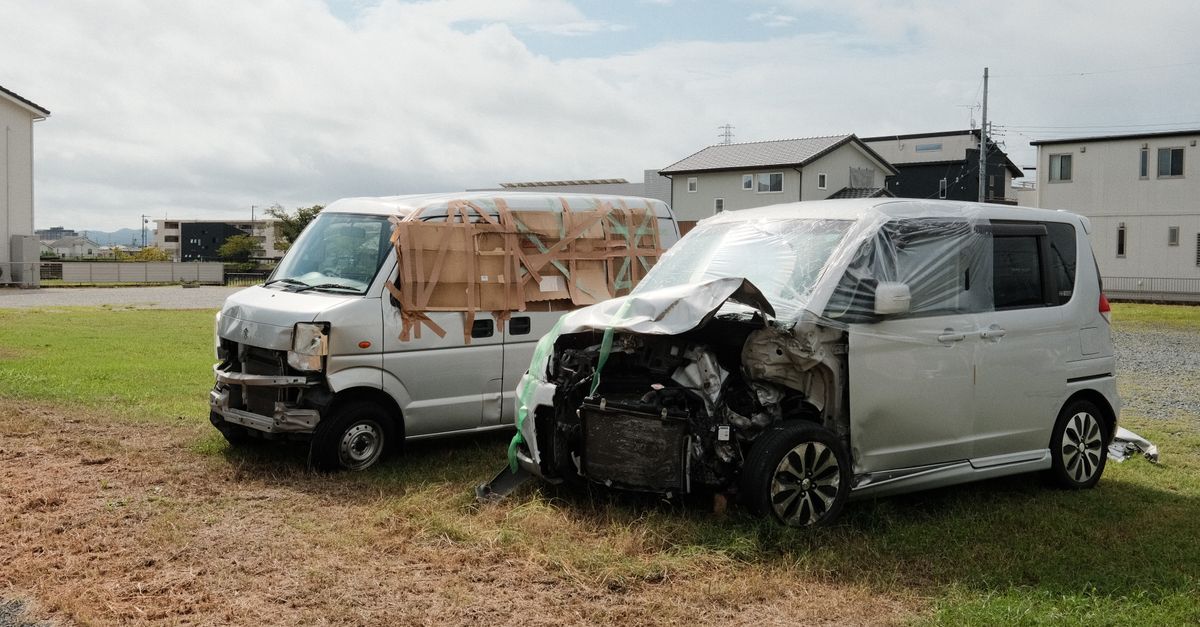 Huu Huynh · Pexels
Collision repair shop owners in the US and Canada must navigate employment rules that shape hiring decisions, payroll structures, and risk of disputes. These rules differ in key ways between the two countries and also vary by state or province, so owners benefit from treating compliance as an ongoing operational task rather than a one-time checklist.
Employee versus Independent Contractor Classification
Proper classification determines tax withholding, benefits, and liability exposure.
-
In the US, the IRS and Department of Labor examine behavioral control, financial control, and the type of relationship. Shops that supply tools, set daily schedules, and require specific training methods typically create an employee relationship even if both parties signed a contractor agreement.
-
In Canada, the Canada Revenue Agency and provincial labor boards apply similar factors centered on control, ownership of tools, chance of profit or loss, and integration into the business. A technician who works exclusively at one shop and receives direction on repair methods is usually an employee regardless of contract language.
-
Practical steps include maintaining written agreements that clarify independence, allowing contractors to set their own hours and accept work from other shops, and keeping separate records of payments reported on Form 1099 in the US or T4A in Canada. Misclassification can lead to back taxes, penalties, and claims for unpaid benefits.
Overtime Pay and Exempt Status Rules
Overtime obligations depend on hours worked and job duties rather than job titles alone.
-
US rules under the Fair Labor Standards Act require overtime for nonexempt workers after the standard weekly threshold, with exemptions available for executive, administrative, or professional roles meeting salary and duty tests. Flat rate technicians in body shops are often nonexempt because their pay ties directly to production rather than management duties.
-
Canadian rules are set by province and commonly trigger overtime after a daily or weekly hour limit, with exemptions limited to specific managerial or professional categories. Some provinces allow averaging agreements that spread hours over several weeks when volume spikes after hail season.
-
Owners should track actual hours for all nonexempt staff, review job descriptions against exemption criteria annually, and avoid simply labeling workers as salaried to bypass overtime. In both countries, failure to pay overtime has resulted in back pay awards that include interest and legal fees.
Minimum Wage Standards
Base pay floors interact with piece rate and commission systems common in collision repair.
-
The US federal minimum wage applies nationwide, yet numerous states maintain higher rates and some cities add local minimums. Shops using flat rate pay must ensure weekly earnings meet the applicable minimum when divided by hours worked.
-
Canadian provinces each set their own minimum wage, with periodic adjustments tied to inflation or policy reviews. Some provinces require minimums for specific trades or for workers under certain ages.
-
Owners can protect themselves by auditing payroll records quarterly, converting flat rate earnings into an effective hourly figure during slow periods, and adjusting piece rates when regulatory floors rise. Written policies that explain how commissions interact with minimum wage help prevent disputes.
Termination and Wrongful Dismissal Protections
Ending an employment relationship carries different notice and severance expectations on each side of the border.
-
Most US states follow at-will employment, allowing termination without notice for any reason that does not violate discrimination or public policy statutes. Written contracts or employee handbooks that promise specific procedures can create enforceable obligations.
-
Canadian provinces generally require reasonable notice or pay in lieu of notice based on length of service, age, and character of employment. Wrongful dismissal claims often focus on insufficient notice rather than the reason for termination.
-
Practical measures include using progressive discipline documentation, delivering termination decisions in writing with a clear final paycheck, and offering severance packages that exceed statutory minimums when litigation risk is high. In both countries, group terminations or plant closures trigger additional notice or filing requirements.
Major Differences Between US and Canadian Rules
State and provincial variations add another layer of complexity.
-
The US system relies heavily on federal statutes supplemented by state laws, so a shop near a border may face one set of overtime rules while a competitor across the state line faces another. Canada places primary responsibility on provinces, producing noticeable differences in notice periods and overtime thresholds from one province to the next.
-
Unionization thresholds and collective bargaining rules also diverge, with US shops more likely to encounter National Labor Relations Board processes and Canadian shops dealing with provincial labor relations boards that can certify unions with smaller employee counts.
-
Owners operating in multiple jurisdictions should create a compliance matrix that lists each location’s minimum wage, overtime trigger, and termination notice rules, then assign a staff member or advisor to update the matrix whenever statutes change. Regular review with local counsel reduces the chance that a policy effective in one province or state creates liability in another.
General information for collision repair business owners; not legal or financial advice.
This guide is general information for collision and body shop owners, not legal or financial advice. Some outbound links may be affiliate or sponsored links, which are disclosed and never affect our recommendations.
Related guides
Get guides like this weekly
Join The Collision Bench Weekly. One useful email a week, free.
Subscribe free